
Leading with Authenticity and Purpose
For many leaders, sustainability can feel like a maze of metrics, certifications, and checklists – a complex equation reserved for experts and large corporations. I used to feel that way too. But what if the most powerful place to start isn’t with the data at all? What if it begins with something softer – our values, our relationships, and the small decisions we make every day?
The “soft side” of sustainability begins there – with connection, care, and small, intentional actions that add up to something meaningful. It’s not about perfection. It’s about purpose.
Finding Your Way In
Authentic sustainability doesn’t have to begin with a grand strategy. It can start with a simple question: What does doing the right thing look like in my corner of the world?
Many people hesitate to engage because sustainability seems technical or expensive. But every organization, and every person, has a role to play. It’s about alignment. People want to be part of something that feels authentic. Especially younger generations – they’re purpose-driven. They want to work somewhere that reflects their values.
Authenticity isn’t about having all the answers. It’s about having the courage to begin – to take small, visible steps that show care for people and the planet, even if they’re imperfect. Any time you start something new, it’s intimidating. But the only wrong move is not to start.
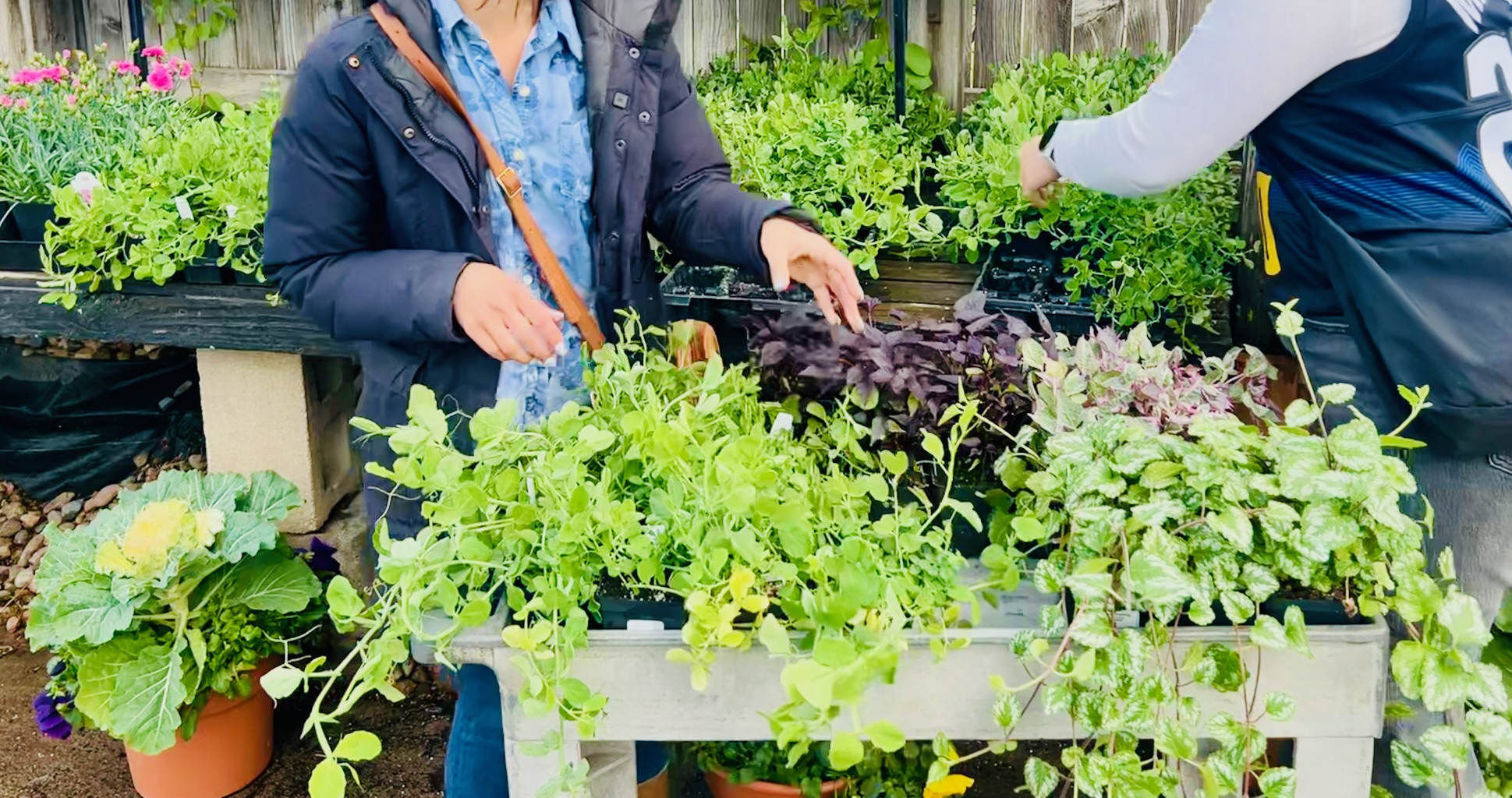
Employee-led beautification project
When we launched “Beautify Blake”, an employee-led project to improve our outdoor space, the goal wasn’t to make a grand statement. We simply wanted to make our environment better. But something powerful happened: people came together with a shared sense of purpose. That experience reminded me that doing the right thing for people, place, and community is how culture is built.
Sustainability and culture are inseparable. You can’t create one without shaping the other. When people have the chance to connect their work to a larger purpose, it changes how they feel about showing up each day.
I’ve watched cross-department initiatives spark new relationships and perspectives, helping people feel seen and part of something bigger. Sustainability, in this sense, isn’t just an environmental goal; it’s a human one. It’s about belonging.
And belonging is powerful. It makes people more engaged, more generous, and more hopeful about the future they’re helping to create. What’s good for people is good for business.
A sustainable organization must also be a well one. Sustainability isn’t only environmental, it’s social. Everyone deserves access to wellness and a cleaner world. We can’t talk about environmental responsibility without also talking about human responsibility – designing spaces, policies, and cultures where everyone can thrive and learning from the past to shape a fairer future.
Design Speaks for What We Value
Even something as ordinary as a chair can say a lot about how we value people and the planet. Every design choice reflects what we believe in – comfort, care, responsibility, and beauty.
I often point to the Steelcase Think Chair as an example of what sustainable design looks like when it’s done right. It’s elegant and ergonomic, but what makes it meaningful goes deeper. The chair was created to be easily disassembled and recycled, built with a significant percentage of recycled materials, and designed to minimize its carbon footprint over time. It’s also one of the first products in the industry to offer CarbonNeutral® certification, meaning its entire lifecycle impact is offset through verified environmental initiatives.

Steelcase Think Chair
What I love most about the Think Chair isn’t just the data behind it, it’s the philosophy it represents. It shows that sustainability and good design don’t have to compete. You can create something beautiful, functional, and responsible all at once.
We Go Further Together
No one can do this work alone. For too long, we’ve looked to manufacturers or big corporations to lead the way, but sustainability isn’t something we can outsource. It’s something we share.
At the same time, partnerships matter deeply. Working with organizations that have already paved the way gives us access to knowledge, tools, and perspective. It helps us make sustainability more approachable and something people can understand and act on, not just admire from a distance.
Too often, sustainability conversations get so technical that people check out. I’d love to see more tangible, actionable ways for small businesses and individuals to engage. Ways that aren’t expensive or intimidating. Real change starts when people feel empowered to participate.
If you’re wondering where to start, my advice is simple: just begin. Don’t wait until you have the perfect plan or the right vocabulary. Sustainability doesn’t have to be complicated. It just has to be real.
Reach out. Ask for help. There are so many advocates and resources available. And remember, doing something, even something small, is infinitely better than doing nothing. Because sustainability, at its heart, is about care. Care for people, for community, and for the future we want to build together.
Learn more about our Sustainability Action Plan